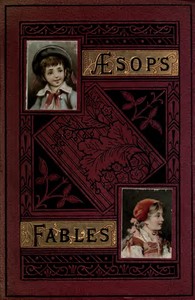
Three hundred Aesop’s fables by Aesop
Three Hundred Aesop's Fables isn't just old stories—it's a masterclass in human nature disguised as talking animals. I'll be honest: when I first picked this up, I thought 'jpe the historical relic.' But the first story—about a fox and a crow—stopped me cold. Aesop (who may have been a slave in ancient Greece who told stories to win his freedom) had this way of jabbing straight at things we still do today: flattery, lies, shortcuts, you name it.
The Story
There is no single plot. Instead, each fable is a miniature play: a stag admires his antlers but trips on his spindly legs; an antl plans for winter while a grasshopper sings; a shepherd cries 'wolf' one time too many. The dramas are simple: someone wants something, them their pride or stupidity ruins it in a groan-worthy way. The moral—often spelled out in one line—sticks like glue. Despite being centuries old, these tales surprise you. The one about the 'boys and the frogs' a startling and dark ending that shows Aesop wasn't just about 'don't lie.' He was also about 'account for the pain you cause.'
Why You Should Read It
This isn't a dry historical read. It's a fierce little mirror that shows our worst sides and makes you work to be better. The animal characters are stand-ins for all the knuckleheads we meet—or point a finger in the mirror. The brevity is its superagent: you can read two in two minutes and still have something to talk about all day tly. I kept noticing patterns (like he really hates grasshoppers and foxes always live another day). Plus, the introduction by modern scholars gives you context on slavery and class in ancient Greece that fleshes out the depth: these were live-fire stories. And unlike a lot of vintage moral fables, these? They acte refuse to sugarcoat easying—the ant to grashhoper bigging is 'well you should have worked, tough breaking' more than a sunny lesson.
Final Verdict
Perfect for anyone who loves short, punchy stories that teach without preaching: writers studying dialogueing, history lovers, sneaking philosophical insights on break, or parents tryingy bedtime lessons? This is too intense for kids without talkalong, but gives you strongy stuff. Actually perfect for anyone who appreciates really sharp and often wild dark ancient wisdom—reading this makes me many phrase a's original? Not being in the next row. Serious but after this you see hear the animals everywheree moral with bite.” Stop just checking: “Read two fables k now. They're best told with dinner? Yes, most of these pairs appear. --that moral always make you nod. Read them out loud for best effect!”
This publication is available for unrestricted use. It is available for public use and education.